Hello brother, hope everything is going fine at your side.
Today, let’s talk about a vehicle that many of us have seen, used, or grown up with, even if we never owned one. This article is written in very simple English, from a normal man’s point of view — not like a company brochure. No copying, no repeating old lines. Just real talk.
I’m talking about Tata Sumo.
Introduction – A Name That Feels Familiar
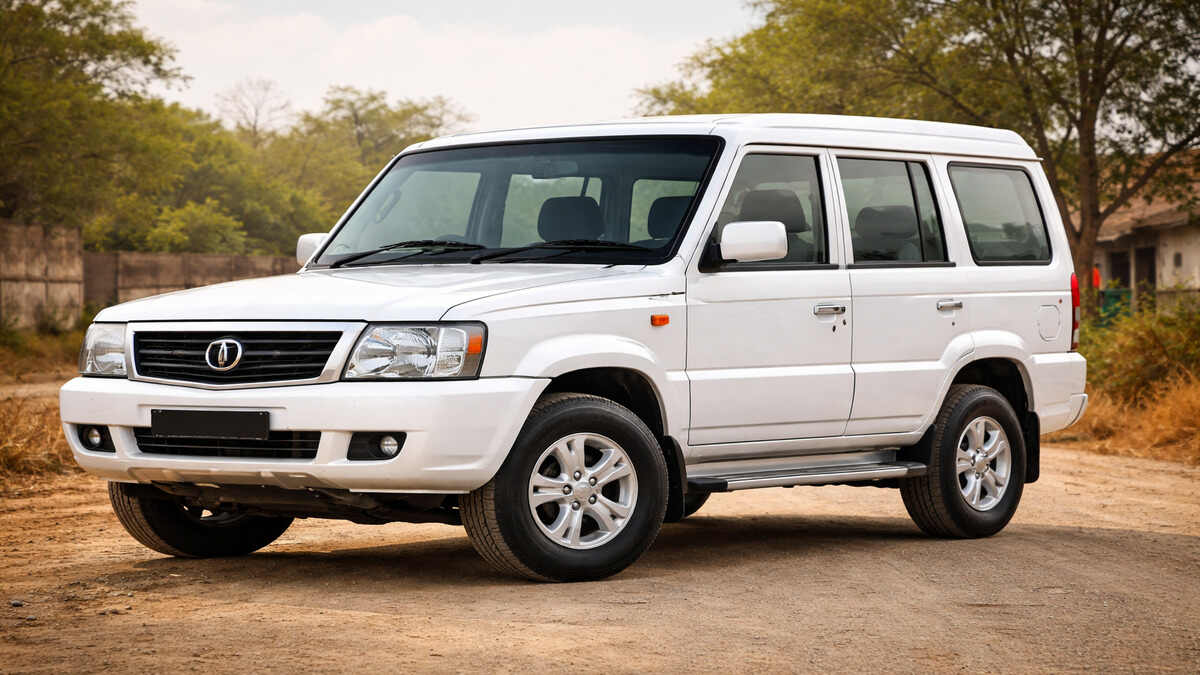
If someone says “Sumo,” you don’t need an explanation. The image comes instantly. A big, strong vehicle. Mostly white. Carrying people. Carrying goods. Carrying stories.
Tata Sumo was never about showing style or luxury. It was about doing the job properly. From small towns to big cities, from police duty to family trips — Sumo was everywhere.
So friend, let’s know something more interesting about why this car became so common and so trusted.
First Impression – Strong from Every Angle
The first time you see Tata one word comes to mind — solid.
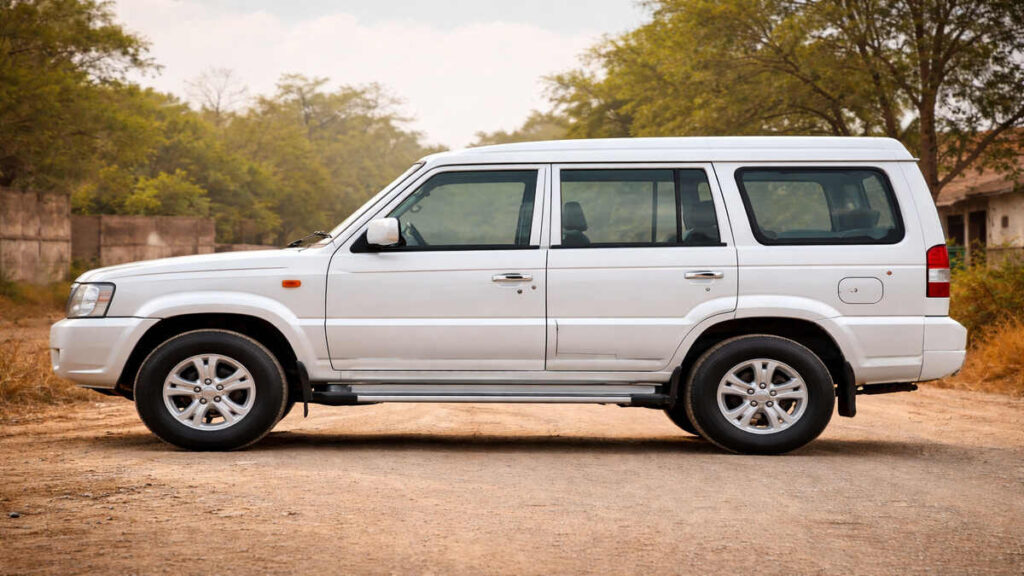
Straight body. Tall stance. Wide shape. Nothing fancy.
Some people say it looks old-school. I say it looks honest.
Do you know it’s very special or unique?
The boxy shape actually helped in giving more interior space, which Indian families really needed.
Engine and Power – Made for Indian Conditions
Tata came with a diesel engine, and that itself tells a lot. Diesel was cheaper earlier, and Sumo was made for long use.
So brother, let’s know something more interesting about the engine.
It was not very silent. It was not smooth like today’s cars. But it had strong pulling power. Even with full load, it kept moving.
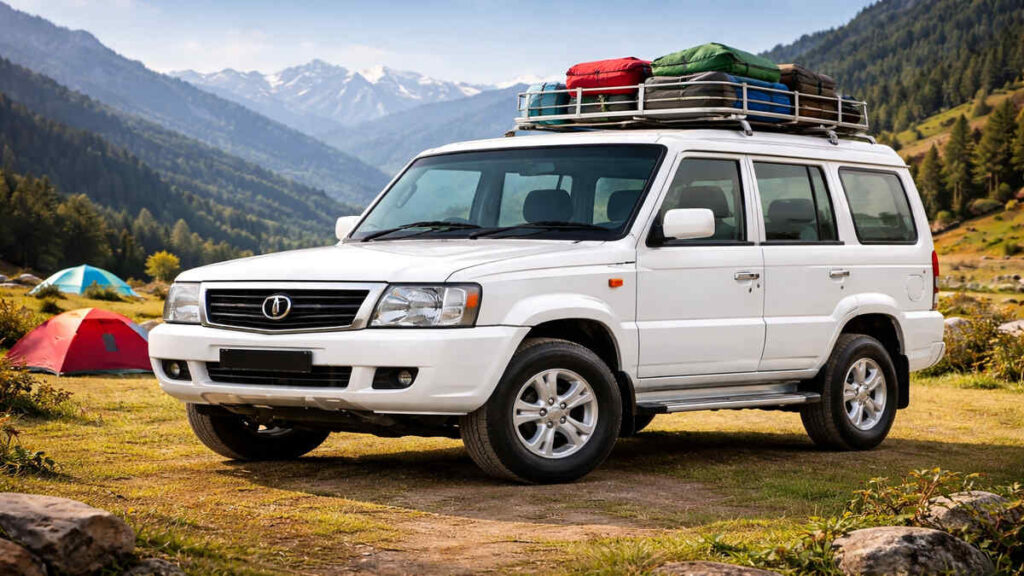
In our town, drivers preferred Sumo for hilly roads and bad village routes because it didn’t feel weak.
Driving Feel – Not Fancy, but Confident
Driving a Sumo feels different. You sit high. You see the road clearly. You feel like you are controlling a big machine.
So friend, let’s know something more interesting about handling.
The steering feels heavy at slow speed, especially in traffic. Gear changes need effort. But once you understand it, driving becomes easy.
On highways, Sumo feels stable. On broken roads, it feels at home.
Ride Comfort – Made for People, Not Show
Comfort in Sumo is simple comfort. No soft-touch panels. No mood lighting.
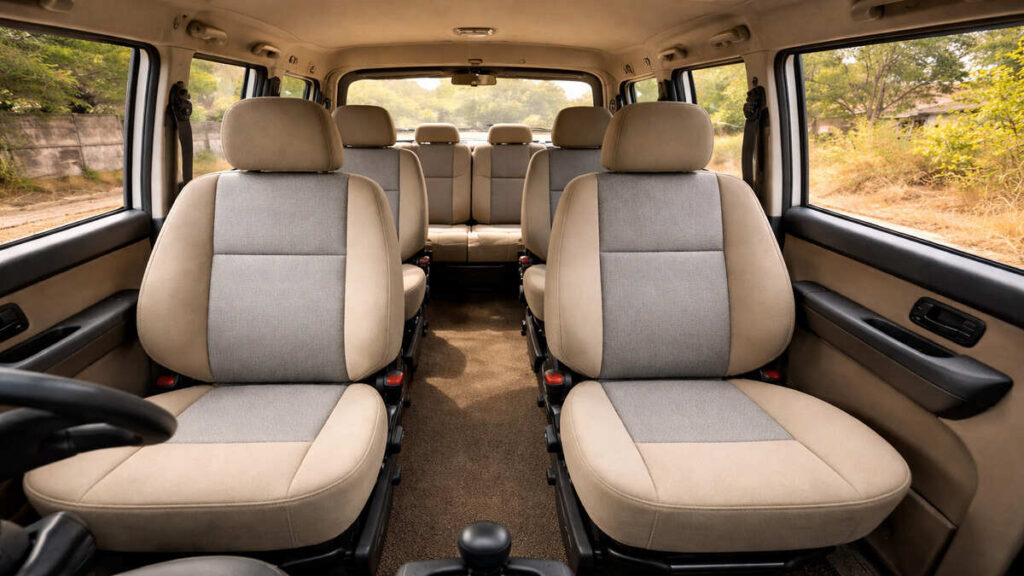
But the seats are big, and legroom is good.
So brother, let’s know something more interesting about seating.
Sumo could easily seat 7 to 10 people. And not tight seating — actual usable space.
I remember attending a wedding where one Tata Sumo carried almost the whole family. No one complained. That says a lot.
Interior – Basic but Long-lasting
Inside Sumo, everything looks simple. The dashboard is plain. Controls are old-style.
But do you know it’s very special or unique?
The interior parts last long. They don’t break easily. Buttons still work even after years.
In real life, many Sumos still have original interiors even after 10–12 years.
Mileage – What You Can Expect
Mileage was never the highlight of Sumo, but it was acceptable.
So friend, let’s know something more interesting about fuel use.
In city driving, it usually gives 10–12 kmpl. On highways, around 13–14 kmpl, if driven calmly.
Considering the size and weight, this mileage was fair for its time.
Safety – Old Style, Strong Body
Sumo did not come with airbags or advanced safety features.
But it had something else — a strong metal body.
So brother, let’s know something more interesting about safety.
In small accidents, Sumo usually handled impacts better than many lighter vehicles. That’s why police and government departments trusted it.
Variants and Uses – One Car, Many Roles
Tata Sumo was not just a family car.
It was used as:
- Family vehicle
- Taxi and tourist car
- Police patrol vehicle
- School van
- Ambulance base
Do you know it’s very special or unique?
Very few vehicles in India have served so many purposes.
Colours Available – Simple and Practical
Sumo was available in limited but practical colours.
Common colours included White, Silver, Grey, Black, Blue, and Green.
White was the most popular because it was easy to maintain and repaint.
Maintenance – Friendly on Pocket
One big reason people loved Tata Sumo was the low maintenance cost.
So friend, let’s know something more interesting about service.
Spare parts were easily available. Even local mechanics knew how to fix it.
In our town, repairing a Sumo never felt expensive or complicated.
Price – In Our Town Reality
When Sumo was sold new, it was priced sensibly.
In our town, the on-road price used to be around ₹7 lakh to ₹8.5 lakh, depending on variant and time.
Today, in the used car market, a Tata Sumo in good condition can be found between ₹1.5 lakh to ₹3.5 lakh.
For many people, that still feels like a good deal.
Real Life Example – Why It Earned Respect
There is a driver in our area who has used one Sumo for more than a decade. Same vehicle. Same engine.
Rain, dust, heat — it kept running.
So brother, let’s know something more interesting about trust.
Cars can be stylish. Cars can be fast. But cars that never leave you stranded earn respect.
Why Tata Sumo Is Still Remembered
Tata Sumo is discontinued now, but it is not forgotten.
Do you know it’s very special or unique?
Because it became part of daily life. It was not a luxury. It was a solution.
Even today, people say — “Sumo jaisi gaadi ab nahi banti.”
Final Thoughts – Honest Ending
Tata Sumo was not perfect.
It was noisy.
It was big.
It was basic.
But it was strong, reliable, spacious, and honest.
So friend, let’s know something more interesting before ending.
If you wanted style, Sumo was not for you.
If you wanted a vehicle that worked every single day — Tata Sumo was the right choice.
And that’s why, even today, Sumo is remembered with respect, not just as a car, but as a part of Indian life.
FAQs
1. Is Sumo still sold as a new car?
No, Sumo is not sold as a new car anymore. It has been discontinued. But you can still find many Tata Sumo vehicles in the used car market, especially in small towns and rural areas.
2. What mileage does Sumo give in daily use?
In real life, Tata Sumo usually gives around 10–12 kmpl in city driving and 13–14 kmpl on highways. Mileage depends a lot on load, road condition, and how you drive.
3. Is Tata Sumo good for villages and bad roads?
Yes, this is where Sumo feels most comfortable. High ground clearance, strong suspension, and a powerful diesel engine make it very suitable for village roads, mud, and broken highways.
4. How many people can sit comfortably in Sumo?
Sumo can comfortably seat 7 to 10 people, depending on the seating layout. Even the last row is usable, which is why big families liked it.
5. What was the price of Tata in our town?
When it was available, the on-road price in our town was roughly ₹7 lakh to ₹8.5 lakh. Today, a used Tata Sumo usually costs between ₹1.5 lakh and ₹3.5 lakh, based on condition.
6. Are spare parts of Sumo still available?
Yes, spare parts are still easily available. Local mechanics know this vehicle very well, and maintenance is not expensive compared to many modern SUVs.
7. Why do people still talk about Sumo with respect?
Because it was strong, reliable, and practical. Do you know it’s very special or unique? It worked hard every day without demanding much, and that’s why people still trust and remember it.










1 thought on “Tata Sumo Review: Why This Tough SUV Is Still Remembered”